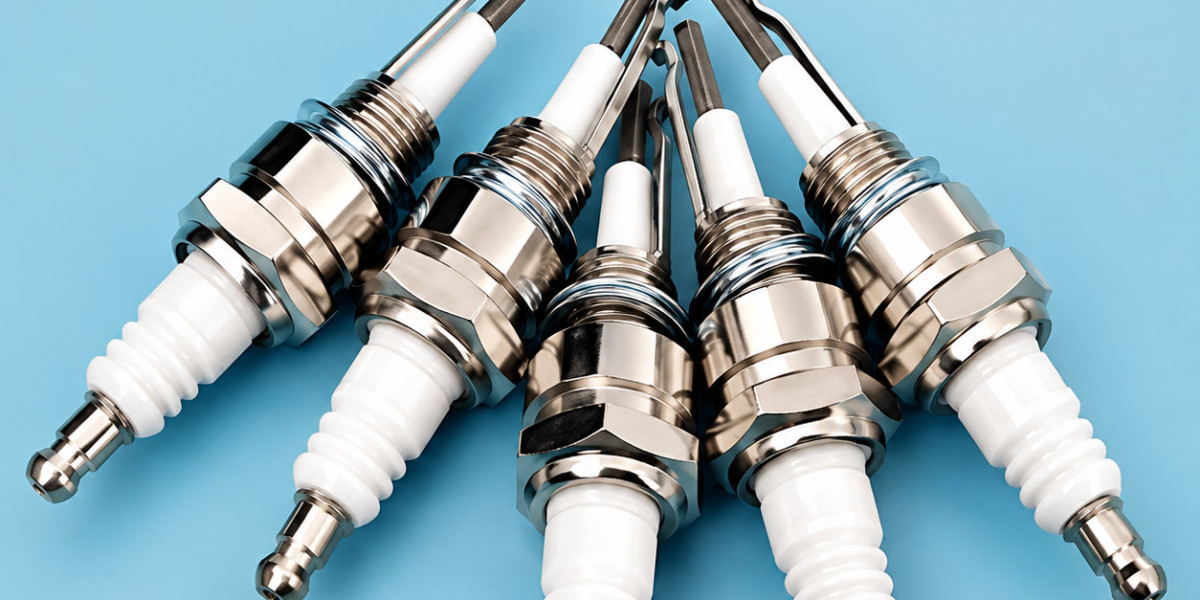

An alumina plug is a high-performance refractory component manufactured from high-purity aluminum oxide (Al₂O₃). It is widely used in industries where extreme temperatures, chemical corrosion, and mechanical wear are common. Alumina plugs are designed to provide excellent sealing, insulation, and protection in furnaces, kilns, molten metal handling systems, and various industrial processes. Their outstanding thermal stability and durability make them an essential part of modern manufacturing operations. As industries continue to demand reliable materials that can withstand harsh operating environments, alumina plugs have become increasingly important for maintaining efficiency, safety, and long service life.
What Is an Alumina Plug?
An alumina plug is a ceramic or refractory product primarily made from aluminum oxide with purity levels often exceeding 90% and sometimes reaching 99%. The high alumina content provides exceptional hardness, excellent heat resistance, and superior corrosion resistance. These plugs are available in different sizes and designs to suit specific industrial applications, including furnace linings, molten metal systems, laboratory equipment, and high-temperature processing units. Because of their excellent insulating properties and structural strength, alumina plugs are trusted in industries that require dependable performance under extreme conditions.
Chemical Composition of Alumina Plug
The primary ingredient of an alumina plug is aluminum oxide (Al₂O₃), which is known for its outstanding physical and chemical properties. Depending on the manufacturing requirements, small amounts of silica, zirconia, or other ceramic materials may be added to improve toughness or thermal shock resistance. High-purity alumina minimizes contamination during industrial operations, making these plugs suitable for applications involving molten metals, advanced ceramics, and chemical processing. The stable chemical structure of alumina allows the plug to resist oxidation, corrosion, and reactions with many industrial chemicals, ensuring long-lasting performance.
Manufacturing Process of Alumina Plug
The production of alumina plugs begins with carefully selected high-purity alumina powder. The raw material is mixed with binders and additives to achieve the desired consistency before being shaped using pressing, casting, or extrusion techniques. After shaping, the plugs are dried to remove moisture and then sintered at extremely high temperatures, often exceeding 1,600°C. During sintering, the particles bond together to form a dense and durable ceramic structure. Quality control tests, including density measurements, dimensional accuracy, hardness, and thermal resistance evaluations, ensure that every alumina plug meets strict industrial standards before reaching customers.
Physical Properties of Alumina Plug
Alumina plugs are valued for their remarkable physical characteristics. They possess high compressive strength, exceptional hardness, low thermal expansion, and excellent wear resistance. Their ability to maintain structural integrity under continuous exposure to high temperatures makes them ideal for demanding industrial environments. Alumina plugs also have good electrical insulation properties and low thermal conductivity, allowing them to function effectively in electrical and thermal insulation applications. These physical properties contribute to reduced maintenance requirements and increased operational reliability across multiple industries.
Thermal Resistance and Heat Stability
One of the greatest advantages of an alumina plug is its outstanding resistance to heat. These plugs can withstand temperatures exceeding 1,700°C without losing their mechanical strength or structural stability. This makes them highly suitable for furnace systems, kilns, metal casting operations, and heat treatment equipment. Their low thermal expansion reduces the risk of cracking during rapid temperature changes, while their thermal shock resistance ensures reliable performance under repeated heating and cooling cycles. This heat stability significantly extends equipment life and improves operational safety.
Industrial Applications of Alumina Plug
Alumina plugs are widely used across numerous industrial sectors. In the steel industry, they regulate molten metal flow and provide reliable sealing in casting systems. Foundries use them for handling molten aluminum, copper, and other non-ferrous metals. Glass manufacturing plants utilize alumina plugs because of their ability to withstand continuous high temperatures. They are also used in cement production, petrochemical plants, ceramic manufacturing, laboratory equipment, and power generation facilities. Their versatility and durability make them indispensable wherever heat-resistant ceramic components are required.
Alumina Plug in Steel Manufacturing
Steel manufacturing is one of the largest users of alumina plugs. During continuous casting, molten steel must be carefully controlled to ensure product quality and safe operation. Alumina plugs help regulate metal flow while resisting erosion caused by high-temperature molten steel. Their excellent corrosion resistance minimizes contamination and improves casting efficiency. By maintaining consistent performance under extreme conditions, alumina plugs contribute to higher production rates, lower maintenance costs, and improved product quality in steel plants worldwide.
Benefits of Using Alumina Plug
Alumina plugs provide numerous benefits that improve industrial productivity and reduce operating costs. Their long service life minimizes replacement frequency, while their excellent thermal resistance reduces equipment downtime. Because they resist chemical attack and mechanical wear, they perform reliably even in harsh environments. Their high strength and dimensional stability improve operational accuracy and reduce the risk of failure during critical manufacturing processes. These advantages make alumina plugs a cost-effective investment for industries seeking durable refractory solutions.
Advantages Over Traditional Refractory Materials
Compared to conventional refractory materials, alumina plugs offer superior performance in demanding applications. Traditional fireclay or silica-based refractories may degrade more quickly under high temperatures or corrosive conditions, whereas alumina plugs maintain their structural integrity for extended periods. Their higher mechanical strength, lower porosity, and better resistance to thermal shock provide greater reliability. Additionally, high-purity alumina reduces contamination during manufacturing processes, making these plugs especially valuable in industries that require precise product quality.
Maintenance and Installation
Proper installation and maintenance are essential for maximizing the lifespan of alumina plugs. Before installation, surfaces should be cleaned thoroughly to ensure a secure fit. Operators should inspect plugs regularly for signs of wear, cracking, or erosion, particularly in high-temperature applications. Although alumina plugs require relatively little maintenance, periodic inspections help prevent unexpected failures and extend equipment life. Following manufacturer recommendations for installation and replacement schedules ensures optimal performance and safety.
Environmental Benefits of Alumina Plug
Alumina plugs contribute to more sustainable industrial operations by improving equipment efficiency and reducing waste. Their long operational lifespan decreases the frequency of replacements, resulting in lower material consumption and reduced industrial waste. Improved thermal insulation also helps reduce energy consumption in furnaces and kilns, lowering greenhouse gas emissions. Furthermore, many alumina ceramic materials can be recycled or reused in specific industrial applications, supporting environmentally responsible manufacturing practices.
Choosing the Right Alumina Plug
Selecting the correct alumina plug depends on several factors, including operating temperature, chemical exposure, mechanical load, and equipment design. High-purity alumina plugs are recommended for applications requiring maximum corrosion resistance and minimal contamination. Size, shape, density, and thermal shock resistance should also be considered during selection. Working with experienced refractory suppliers ensures the chosen plug meets the specific performance requirements of the intended industrial process.
Future Trends in Alumina Plug Technology
As industrial technology advances, manufacturers continue to improve alumina plug performance through innovative ceramic engineering. New production methods focus on increasing density, improving thermal shock resistance, and enhancing mechanical strength. Researchers are also developing composite ceramic materials that combine alumina with zirconia and other advanced oxides to further improve durability. These innovations are expected to expand the use of alumina plugs in aerospace, electronics, renewable energy, and next-generation manufacturing technologies.
Common Challenges and Solutions
Although alumina plugs offer excellent performance, improper installation, excessive thermal shock, or mechanical impact can reduce their service life. Selecting the appropriate grade, maintaining proper operating conditions, and performing routine inspections help minimize these challenges. Advances in manufacturing technology continue to address these issues by producing stronger and more reliable ceramic materials. Proper training for operators and adherence to maintenance schedules also contribute to improved performance and reduced operational risks.
Conclusion
The alumina plug is an essential refractory component that delivers exceptional performance in high-temperature industrial environments. Its superior heat resistance, mechanical strength, corrosion resistance, and long service life make it an ideal choice for steel manufacturing, foundries, glass production, ceramic processing, and many other demanding applications. As industries continue to prioritize efficiency, durability, and sustainability, the demand for high-quality alumina plugs is expected to grow steadily. By choosing the right alumina plug and following proper installation and maintenance practices, businesses can improve operational reliability, reduce maintenance costs, and achieve greater productivity in challenging industrial processes.