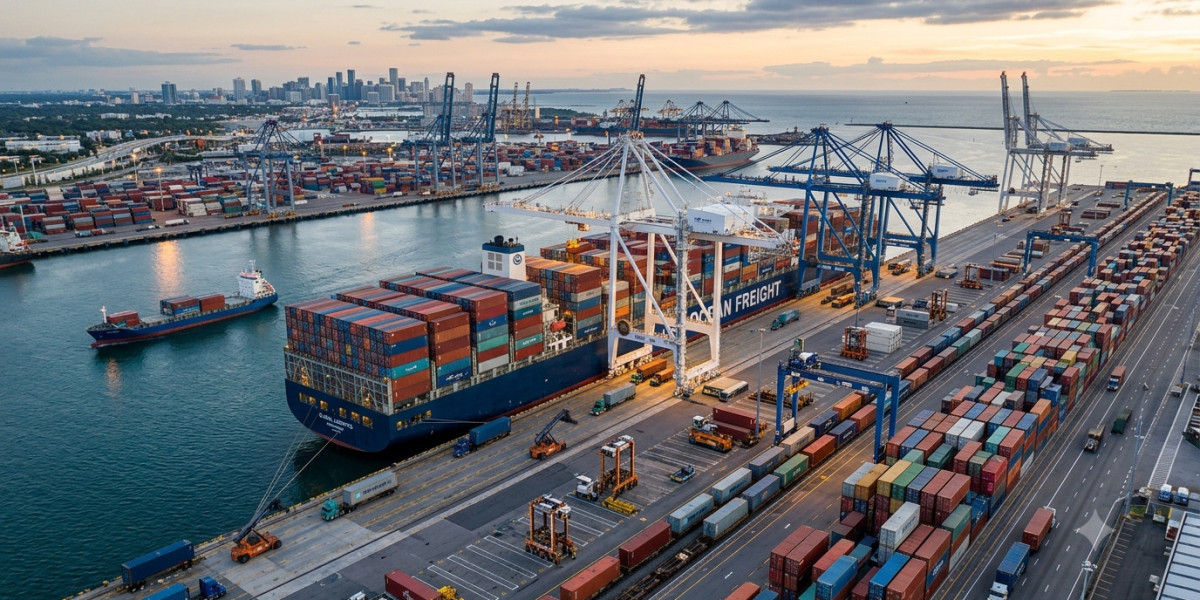

Efficient cargo flow is the foundation of successful international shipping. Every stage of ocean freight operations, from cargo booking and vessel scheduling to port handling and final delivery, must work together seamlessly to keep global trade moving. As shipping companies continue to face increasing cargo volumes, changing regulations, and evolving customer expectations, optimizing ocean freight operations has become more important than ever. One key aspect of operational reliability is maintaining vessels with dependable marine components sourced from a trusted marine valve specialist. Reliable suppliers such as RMS Marine Service help shipping companies maintain vessel readiness by providing quality marine products that support uninterrupted freight operations.
Ocean freight optimization goes beyond improving transportation efficiency. It requires strategic planning, digital visibility, coordinated logistics, preventive maintenance, and effective communication between every stakeholder involved in the shipping process. Delays caused by equipment failures or procurement challenges can disrupt cargo movement and increase operational costs. Working with an experienced marine valve specialist helps fleet operators secure the right marine components at the right time, reducing maintenance-related interruptions. Combined with the comprehensive supply capabilities of RMS Marine Service, optimized logistics strategies contribute to smoother cargo movement and greater operational resilience.
Understanding Cargo Flow in Ocean Freight
Cargo flow refers to the continuous movement of goods through the entire shipping process, from origin to destination. Every activity, including cargo preparation, loading, transportation, unloading, customs clearance, and inland delivery, influences overall operational efficiency.
A well-managed cargo flow provides several advantages:
- Faster cargo movement
- Reduced transit delays
- Improved vessel utilization
- Better customer satisfaction
- Lower operating costs
- Increased supply chain reliability
Maintaining consistent cargo flow requires careful planning and coordination across multiple operational areas.
The Importance of Ocean Freight Optimization
Optimized freight operations eliminate unnecessary delays while improving the efficiency of available resources. Rather than focusing only on transportation, shipping companies evaluate every stage of the logistics process to identify opportunities for improvement.
Ocean freight optimization supports:
- Better scheduling accuracy
- Efficient cargo handling
- Improved fleet productivity
- Reduced operational waste
- Higher service reliability
- Enhanced supply chain performance
Organizations that continuously improve operational processes are better equipped to meet changing market demands.
Strategic Voyage Planning
Successful cargo movement begins with effective voyage planning. Every voyage should be carefully planned to maximize operational efficiency while minimizing potential risks.
Important planning considerations include:
- Route selection
- Weather forecasting
- Port schedules
- Fuel planning
- Cargo priorities
- Regulatory requirements
Accurate voyage planning helps vessels maintain reliable schedules while improving cargo delivery performance.
Efficient Cargo Handling Procedures
Loading and unloading operations directly influence cargo flow efficiency. Well-organized cargo handling minimizes delays while protecting cargo from damage.
Best practices include:
- Accurate cargo documentation
- Proper cargo sequencing
- Balanced weight distribution
- Equipment readiness
- Skilled terminal coordination
- Continuous operational monitoring
Efficient cargo handling improves turnaround times while supporting safer vessel operations.
Digital Technologies Enhancing Cargo Flow
Technology has become an essential tool for optimizing ocean freight operations. Modern digital systems improve visibility, coordination, and decision-making across the supply chain.
Important technologies include:
Real-Time Shipment Tracking
Live cargo tracking allows shipping companies and customers to monitor shipment progress throughout the voyage.
Integrated Logistics Platforms
Centralized digital platforms improve communication between shipping companies, ports, suppliers, freight forwarders, and customers.
Predictive Analytics
Historical operational data supports more accurate planning by identifying potential delays and optimizing scheduling decisions.
Electronic Documentation
Digital documentation accelerates customs clearance while reducing administrative errors and paperwork.
Technology enables organizations to respond quickly to operational changes while maintaining efficient cargo movement.
Preventive Maintenance Supports Reliable Freight Operations
Vessel reliability is essential for maintaining uninterrupted cargo flow. Unexpected equipment failures often result in costly delays that affect entire shipping schedules.
Preventive maintenance helps organizations:
- Reduce equipment failures
- Improve vessel availability
- Extend equipment lifespan
- Lower maintenance costs
- Increase operational reliability
- Support schedule consistency
Planning maintenance activities before voyages minimizes disruptions throughout freight operations.
Strengthening Supply Chain Collaboration
Ocean freight depends on effective cooperation between multiple organizations operating across different countries and regions.
Strong collaboration improves:
- Procurement efficiency
- Cargo visibility
- Communication accuracy
- Operational coordination
- Documentation management
- Customer service
Sharing timely information enables supply chain partners to respond effectively to changing operational conditions.
Managing Risks That Affect Cargo Flow
Ocean freight operations face numerous operational risks that may disrupt cargo movement if not properly managed.
Common challenges include:
- Severe weather
- Port congestion
- Transportation delays
- Regulatory changes
- Equipment failures
- Supply chain disruptions
Organizations reduce these risks by implementing contingency planning, supplier diversification, and continuous operational monitoring.
Sustainability in Ocean Freight
Sustainable freight operations contribute to long-term operational efficiency while reducing environmental impact.
Examples of sustainable practices include:
- Fuel-efficient voyage planning
- Optimized cargo loading
- Reduced idle time
- Energy-efficient port operations
- Digital documentation
- Preventive maintenance programs
Combining sustainability with operational excellence supports both business performance and environmental responsibility.
Measuring Operational Performance
Continuous improvement requires organizations to monitor key performance indicators throughout freight operations.
Important operational metrics include:
- Cargo delivery performance
- Vessel turnaround time
- Schedule reliability
- Equipment availability
- Maintenance efficiency
- Customer satisfaction
Performance analysis helps identify opportunities for further optimization while supporting strategic planning.
Building Long-Term Operational Resilience
Optimized cargo flow is not achieved through isolated improvements but through continuous refinement of operational processes. Organizations that invest in technology, workforce development, preventive maintenance, and supply chain collaboration create stronger logistics networks capable of adapting to changing market conditions.
Long-term resilience enables shipping companies to:
- Respond quickly to disruptions
- Improve service consistency
- Strengthen customer relationships
- Reduce operational costs
- Enhance fleet productivity
- Maintain competitive advantage
A proactive approach ensures that freight operations remain reliable even during periods of uncertainty.
Conclusion
Strengthening cargo flow requires a comprehensive approach that combines strategic planning, digital innovation, preventive maintenance, and close collaboration throughout the supply chain. Every improvement made within ocean freight operations contributes to more efficient cargo movement, higher vessel availability, and greater operational reliability. Partnering with an experienced marine valve specialist further supports these goals by ensuring timely access to dependable marine components that help maintain critical shipboard systems and reduce maintenance-related disruptions.
With decades of experience supporting the global maritime industry, RMS Marine Service delivers comprehensive marine supply solutions that help shipping companies optimize vessel operations and improve cargo flow across international trade routes. Through quality products, technical expertise, and efficient logistics support, the company enables fleet operators to strengthen operational performance, enhance supply chain resilience, and achieve sustainable success in today's competitive shipping environment.