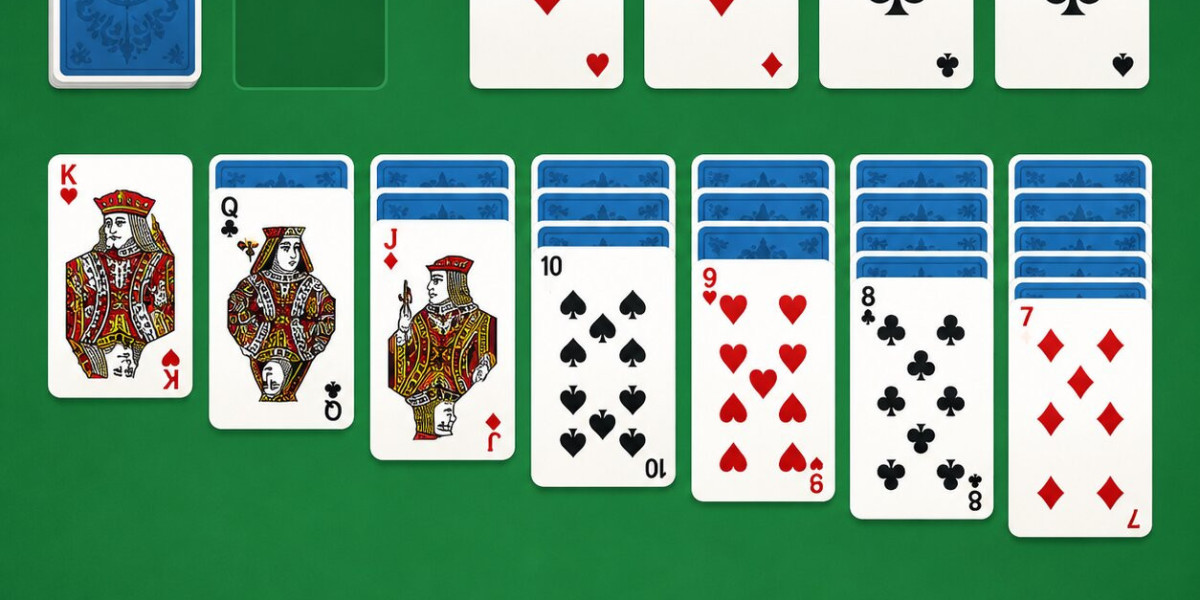

Google Solitaire is a modern, digital version of the traditional single-player card game, historically known as Klondike Solitaire or Patience. Built directly into the Google browser ecosystem, this web-based application requires no downloads, installation, or heavy system resources. It offers an instantaneous, streamlined user experience (UX) optimized for both desktop monitors and mobile displays.
At HR Tech News Today, our editorial team focuses on the intersection of human resource management, digital workplace wellness, and productivity tools. While a casual card game might seem detached from professional tech platforms, modern workplace psychological studies suggest that structured, micro-breaks can reduce burnout. Google Solitaire serves as a valuable utility for employee cognitive resets, helping workers refresh their focus during brief intervals between deep-work assignments.
How Do You Access and Play Google Solitaire?
Accessing the game is incredibly straightforward. A user only needs to type "Google Solitaire" or "Solitaire" into the main search engine bar. Google immediately populates an interactive, playable rich snippet directly at the top of the Search Engine Results Page (SERP).
Step-by-Step Launch Guide:
Open a standard web browser on your computer or mobile device.
Navigate to the main Google search box.
Input the primary query phrase: Google Solitaire.
Click the prominent blue "Play" button nested within the interactive search snippet.
Select your preferred difficulty tier from the initialization modal: Easy or Hard.
Once initialized, the game loads instantly, bypassing traditional app store downloads, making it highly accessible across restricted corporate networks or low-bandwidth environments.
What Are the Core Rules of the Game?
The system utilizes a standard virtual deck consisting of 52 traditional playing cards. The overarching algorithmic goal of the game is to systematically transition all 52 cards from their starting positions into four designated foundation slots located at the top of the interface.
Essential Gameplay Parameters:
The Foundation Mechanics: The four foundation slots must be built up sequentially by matching suits. The sequence must strictly initiate with an Ace (A) and terminate with a King (K) in ascending numerical order: Ace, 2, 3, 4, 5, 6, 7, 8, 9, 10, Jack, Queen, King.
The Tableau Columns: The main playing field consists of seven distinct tableau columns arranged from left to right. Cards placed within these columns must be arranged in descending mathematical order while alternating colors (e.g., a red 6 can only be placed on top of a black 7).
The Draw Pile (Stock): When options on the main tableau run out, players can interact with the reserve stock pile to pull new cards into play.
Empty Spaces: If a tableau column becomes completely vacant, only a King (K), or a pile led by a King, can be repositioned into that empty space.
What Key Features Make This Game Unique?
The digital architecture behind this browser-based version prioritizes minimalism, speed, and seamless user interaction. Unlike standalone application downloads that are heavily weighted with microtransactions, pop-up ads, and heavy graphics files, this interface remains clean and performance-focused.
Core Interface Capabilities:
Difficulty Calibration: The game features two distinct modes. Easy mode draws a single card at a time from the stock pile, making winning paths highly accessible. Hard mode draws three cards at once, requiring deeper strategic calculation and spatial awareness.
The Undo Functional Asset: A dedicated "Undo" button allows players to step backward sequentially through their recent actions, enabling real-time correction of strategic mistakes.
Action Tracking Metas: The layout keeps a live tally of the user's total Move Count and Current Score, allowing players to gauge their efficiency over time.
Cross-Device Responsiveness: The game uses adaptive HTML5 coding to ensure that touch inputs on smartphones are just as responsive as mouse clicks on a physical workstation.
Why Do HR Professionals Care About Casual Browser Games?
Modern organizational psychology places a strong emphasis on maintaining a balanced working environment. HR Tech News Today tracks shifting workspace dynamics, and micro-breaks have emerged as a core discussion point within employee retention and mental well-being frameworks.
The Cognitive Benefits of Micro-breaks:
Systematic Stress Reduction: Engaging in a low-stakes card game allows the brain to detach briefly from stressful, high-intensity corporate responsibilities.
Cognitive Alignment: Playing through a quick deck stimulates logical reasoning, pattern recognition, and problem-solving without inducing performance anxiety.
Boredom Mitigation: During long periods of wait time, such as waiting for a software compilation or a heavy cloud download, a quick browser game keeps the mind active.
No Security Vulnerabilities: Because the game runs directly inside an active browser window without local executable software (.exe), it adheres perfectly to strict IT security compliance protocols.
What Are the Best Strategies to Win the Game?
While Easy Mode is highly forgiving, beating Hard Mode regularly requires tactical planning and deliberate card selection. Our research team at HR Tech News Today compiled the top tactical guidelines to optimize your success rate.
Tactical Framework for Victory:
Prioritize Hidden Cards: Always make moves that uncover facedown cards in the longest tableau columns first. Unlocking hidden assets is critical to gaining access to vital sequences.
Avoid Emptying Spaces Prematurely: Do not clear out a tableau column unless you have an available King ready to step into that empty slot. An empty column with no King acts as a dead space.
Play Aces and Twos Instantly: Whenever an Ace or a Two becomes available, shift it immediately to the top foundation piles. They do not block down-line building options on the tableau.
Delay Higher Transfers: Avoid shifting mid-tier cards up to the foundations too early if those cards are still needed to hold lower-ranked cards in your main columns.
Frequently Asked Questions About the Game
Is every deal on Google Solitaire winnable?
Not every deal can be mathematically solved, especially when playing on Hard Mode. Random shuffles can occasionally result in card distributions that block all potential progress. However, Easy Mode features a remarkably high win ratio due to its single-card draw mechanics.
Does this game cost money or require an account?
No. The platform is entirely free to access. There are no embedded credit card processing portals, subscription tiers, or hidden microtransactions. It does not require a user profile sign-in to operate.
Can I play Google Solitaire when I am offline?
If you load the game page while connected to the internet, the core script cache allows it to continue running even if your network drops out mid-game. However, initiating the search query from a completely offline state will fail to pull up the interactive interface.
Is it safe to play on secure corporate networks?
Yes. Because it is natively served by the main search engine, it utilizes standard HTTPS encryption and does not require third-party cookies or background installations. It is generally recognized as safe by enterprise-grade firewalls.read more:hr tech news today