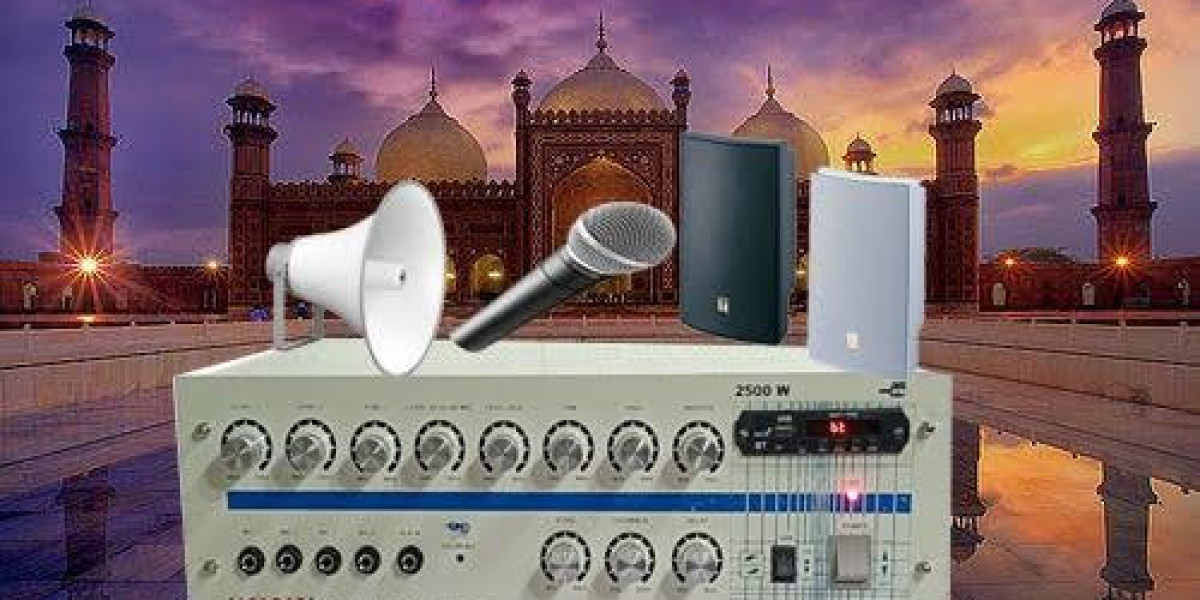

Masjid Sound System Price in Lahore
A clear and reliable sound system is one of the most important requirements for any mosque. Whether it is for the call to prayer (Azan), daily prayers, Friday sermons, religious lectures, or special gatherings, a properly designed audio system ensures that every word reaches the congregation with clarity.
When searching for masjid sound system price in Lahore, many people focus only on cost. However, the quality of sound, the size of the mosque, installation requirements, and the type of equipment are equally important. Choosing a suitable sound system is a long-term investment that improves communication and enhances the worship experience.
This guide explains the factors that influence pricing, the main components of a mosque sound system, and what to consider before making a purchase.
Why a Quality Sound System Is Important for a Mosque
In a mosque, every announcement, Quran recitation, Khutbah, and prayer should be heard clearly without distortion or unnecessary echo.
A properly planned sound system helps to:
- Deliver clear speech throughout the prayer hall
- Improve the listening experience during sermons
- Reduce sound distortion
- Minimize unwanted feedback and noise
- Ensure even sound distribution
- Support indoor and outdoor announcements
- Enhance communication during religious events
A well-designed system allows worshippers to hear every word comfortably, regardless of where they are seated.
Factors That Affect Masjid Sound System Price in Lahore
Several factors determine the overall cost of a mosque audio system.
Size of the Mosque
Larger mosques require more speakers, additional wiring, and higher sound coverage than smaller prayer areas.
Indoor and Outdoor Coverage
Some mosques need sound systems only inside the prayer hall, while others also require audio coverage for courtyards, entrances, parking areas, or nearby streets.
Greater coverage usually requires additional equipment.
Number of Speakers
The total number of speakers depends on:
- Prayer hall size
- Ceiling height
- Building layout
- Outdoor coverage requirements
Proper speaker placement is just as important as the number of speakers installed.
Amplification Requirements
Amplifiers provide sufficient power for the connected speakers. The required amplifier capacity depends on the total speaker load and the size of the mosque.
Microphone Requirements
Different microphones may be used for:
- Imam
- Khateeb
- Quran recitation
- Religious lectures
- Public announcements
Selecting suitable microphones contributes to clear voice reproduction.
Installation Complexity
Installation costs may vary depending on:
- Building design
- Cable routing
- Electrical connections
- Mounting locations
- Testing and system adjustments
Professional installation helps ensure reliable long-term performance.
Main Components of a Mosque Sound System
A complete mosque audio system usually consists of several essential components.
Speakers
Speakers distribute sound evenly throughout the mosque.
Different speaker designs are selected according to:
- Indoor prayer halls
- Outdoor spaces
- Covered courtyards
- Minarets (where applicable)
Amplifier
The amplifier powers the speakers and ensures consistent audio performance.
Choosing the correct amplifier capacity helps maintain clear sound quality.
Mixer
An audio mixer allows multiple microphones or audio sources to be controlled from a single unit.
It helps adjust:
- Volume levels
- Voice balance
- Audio inputs
- Overall sound quality
Microphones
Microphones are responsible for capturing speech clearly.
Proper microphone selection improves:
- Voice clarity
- Speech intelligibility
- Recitation quality
- Public announcements
Cabling and Connectors
High-quality cables support reliable signal transmission and reduce unwanted audio interference.
Proper cable management also improves safety and simplifies future maintenance.
Common Problems Caused by Poor Audio Systems
Using an improperly designed sound system may result in several issues, including:
- Echo inside the prayer hall
- Uneven sound distribution
- Distorted speech
- Microphone feedback
- Low sound quality
- Volume fluctuations
- Dead audio zones
- Frequent maintenance problems
A professionally planned system helps prevent these issues.
Tips for Choosing the Right Sound System
Before purchasing a mosque sound system, consider the following:
- Measure the total prayer area.
- Identify indoor and outdoor coverage needs.
- Determine the expected number of worshippers.
- Select equipment suitable for continuous daily use.
- Ensure proper speaker placement.
- Choose experienced installation professionals.
- Consider future expansion if the mosque grows.
Planning ahead can reduce future upgrade costs.
Importance of Professional Installation
Even high-quality equipment may perform poorly if installed incorrectly.
Professional installation helps ensure:
- Balanced sound coverage
- Proper cable management
- Safe electrical connections
- Reduced sound distortion
- Correct equipment configuration
- Reliable long-term performance
Installation quality is just as important as the equipment itself.
Maintaining a Mosque Sound System
Regular maintenance helps keep the audio system performing efficiently.
Recommended maintenance includes:
- Cleaning microphones regularly
- Inspecting speaker connections
- Checking cable conditions
- Testing amplifier performance
- Verifying microphone settings
- Inspecting mounting brackets
- Performing periodic sound testing
Routine maintenance extends equipment lifespan and reduces unexpected problems.
Future Trends in Mosque Audio Systems
Modern mosque sound systems continue to improve through advancements in audio technology.
Current developments include:
- Digital audio processing
- Wireless microphone solutions
- Energy-efficient equipment
- Improved speech clarity
- Remote audio management
- Enhanced feedback control
- Better acoustic optimization
These technologies provide clearer sound and more reliable daily operation.
Conclusion
When researching masjid sound system price in Lahore, it is important to consider more than just the initial cost. The size of the mosque, audio coverage requirements, installation quality, equipment selection, and long-term reliability all play a significant role in choosing the right system.
A properly planned mosque sound system ensures clear Azan, Khutbah, Quran recitation, and announcements, creating a better experience for worshippers. By understanding the factors that influence pricing and selecting suitable audio components, mosque committees can make informed decisions that provide lasting value and dependable performance.