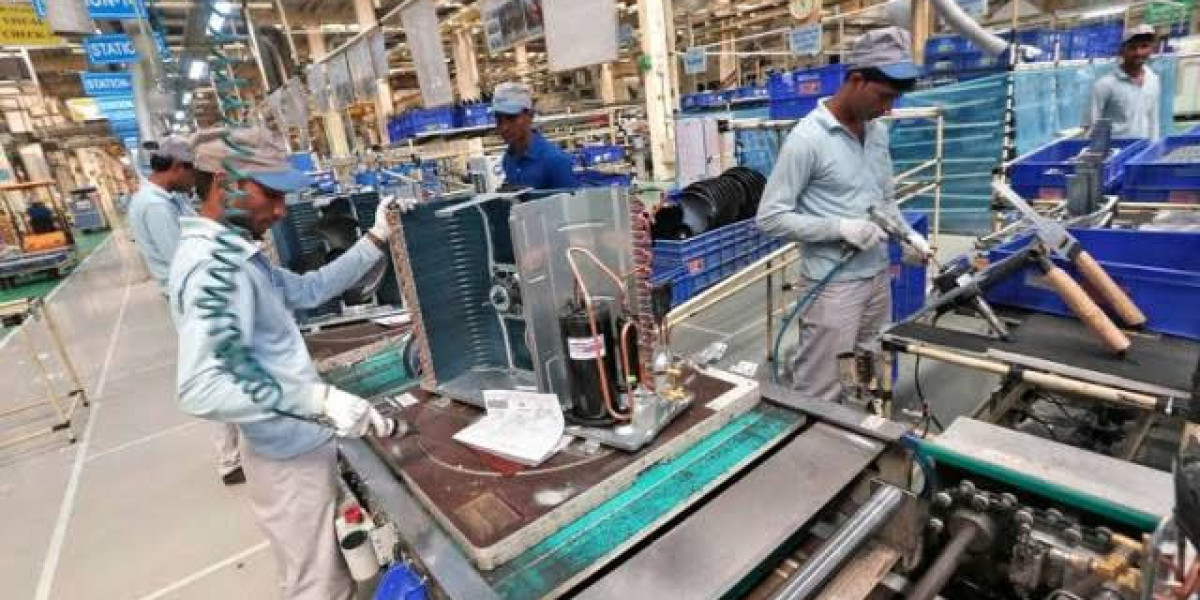

Chemical Manufacturing Companies in Pakistan
The chemical industry is one of the most important sectors supporting industrial development in Pakistan. Chemical manufacturing companies in Pakistan produce a wide range of industrial chemicals that are used in agriculture, construction, healthcare, textiles, food processing, water treatment, and many other industries. These companies contribute significantly to manufacturing, exports, employment, and technological advancement.
From basic industrial chemicals to specialty compounds, chemical manufacturers supply raw materials that help other industries produce finished products. Understanding how this industry operates is important for students, researchers, engineers, and anyone interested in industrial sciences.
This educational guide explains the role of chemical manufacturing companies, their production processes, and their contribution to Pakistan's economy.
What Are Chemical Manufacturing Companies?
Chemical manufacturing companies are industrial organizations that convert natural resources and raw materials into useful chemical products through scientific and engineering processes.
These companies use controlled production methods to manufacture chemicals required for various industries while following quality, environmental, and safety standards.
Their products are supplied to factories, laboratories, educational institutions, agricultural sectors, healthcare facilities, and industrial plants.
Importance of the Chemical Industry in Pakistan
The chemical industry plays a fundamental role in supporting national industrial development.
It contributes by:
- Supplying raw materials to manufacturing industries
- Supporting agricultural productivity
- Creating employment opportunities
- Encouraging industrial innovation
- Strengthening local manufacturing
- Supporting exports
- Promoting scientific research
- Contributing to economic growth
Without the chemical industry, many manufacturing sectors would struggle to produce essential products.
Major Categories of Chemicals Manufactured
Chemical manufacturing companies in Pakistan produce different types of chemicals depending on industrial demand.
Industrial Chemicals
These chemicals are widely used in factories and manufacturing plants for production and processing.
Applications include:
- Industrial processing
- Manufacturing operations
- Surface treatment
- Cleaning processes
Agricultural Chemicals
Agriculture depends on various chemical products that help improve crop productivity.
Examples include:
- Fertilizer components
- Soil treatment chemicals
- Crop protection products
- Plant nutrition solutions
These products support food production and agricultural sustainability.
Water Treatment Chemicals
Clean water is essential for homes, industries, and public health.
Water treatment chemicals help:
- Remove impurities
- Improve water quality
- Control contamination
- Support industrial water systems
Laboratory Chemicals
Educational institutions, research centers, and laboratories require chemicals for experiments and scientific analysis.
These chemicals support:
- Academic research
- Scientific education
- Laboratory testing
- Industrial quality control
Construction Chemicals
Modern construction projects use specialized chemicals to improve building materials.
Common applications include:
- Concrete improvement
- Waterproofing
- Surface protection
- Structural durability
Basic Chemical Manufacturing Process
Although production methods differ depending on the product, most chemical manufacturing follows similar stages.
These include:
- Raw material selection
- Material preparation
- Chemical reaction process
- Temperature and pressure control
- Purification
- Quality testing
- Packaging
- Storage and distribution
Each stage is carefully monitored to ensure consistent product quality and safety.
Quality Control in Chemical Manufacturing
Quality control is one of the most important parts of chemical production.
Manufacturers perform laboratory testing to ensure products meet required specifications.
Quality control includes:
- Raw material inspection
- Process monitoring
- Product testing
- Safety verification
- Batch consistency
- Documentation
- Packaging inspection
These procedures help maintain reliable production standards.
Safety Measures in Chemical Manufacturing
Working with chemicals requires strict safety practices.
Chemical manufacturing facilities focus on:
- Personal protective equipment (PPE)
- Safe chemical storage
- Emergency response planning
- Fire prevention systems
- Ventilation systems
- Waste management
- Environmental protection
- Employee safety training
Safety protects workers, surrounding communities, and the environment.
Environmental Responsibility
Modern chemical manufacturing emphasizes sustainable production methods.
Many companies work to reduce environmental impact through:
- Waste reduction
- Water recycling
- Emission control
- Energy-efficient processes
- Safe disposal of industrial waste
- Resource conservation
These practices support responsible industrial development.
Career Opportunities in the Chemical Industry
The chemical sector provides employment in many professional fields.
Career opportunities include:
- Chemical Engineering
- Industrial Chemistry
- Quality Control
- Laboratory Technology
- Research and Development
- Environmental Science
- Production Management
- Industrial Safety
- Supply Chain Management
- Technical Sales
Students interested in science and engineering often choose careers in this growing industry.
Challenges Facing Chemical Manufacturing Companies in Pakistan
Like many industrial sectors, chemical manufacturers face several challenges.
These include:
- Rising production costs
- Energy shortages
- Environmental regulations
- Global market competition
- Raw material availability
- Technological upgrades
- Skilled workforce development
- Supply chain disruptions
Addressing these challenges is important for sustainable industrial growth.
Future of Chemical Manufacturing in Pakistan
The future of Pakistan's chemical industry depends on technological innovation, skilled professionals, and sustainable production practices.
Emerging trends include:
- Green chemistry
- Environment-friendly manufacturing
- Process automation
- Digital quality monitoring
- Research-driven production
- Energy-efficient technologies
These developments are expected to improve productivity while reducing environmental impact.
Educational Importance of Studying Chemical Manufacturing
Understanding chemical manufacturing helps students connect classroom knowledge with real industrial applications.
Studying this field develops knowledge in:
- Chemistry
- Chemical engineering
- Industrial processes
- Laboratory practices
- Environmental management
- Quality assurance
- Manufacturing technology
It also prepares students for careers in industry, research, education, and innovation.
Conclusion
Chemical manufacturing companies in Pakistan are a vital part of the country's industrial infrastructure. They supply essential chemicals that support agriculture, healthcare, construction, manufacturing, education, and scientific research.
From raw material processing to quality control and environmental responsibility, the chemical industry combines science, engineering, and technology to produce products used in everyday life. Understanding how chemical manufacturing works not only supports academic learning but also highlights the industry's significant contribution to Pakistan's economic and industrial development.