
Have you ever reached the end of the day and felt as though your legs weighed twice as much as they did in the morning? Climbing stairs suddenly feels more difficult, walking becomes tiring, and your legs seem unusually tight or swollen. Many people describe it as wearing invisible weights that make even simple movements exhausting.
Occasional leg fatigue after exercise or a long day at work is completely normal. However, if that heavy sensation returns frequently or becomes part of your daily routine, it may be your body's way of telling you that something more significant is happening beneath the surface.
At The Lipo Lab, we regularly meet patients who initially believed their symptoms were simply due to aging, long working hours, or lack of exercise. After a thorough evaluation, many discover that their Heavy Legs Treatment in Dubai are linked to conditions affecting the veins, lymphatic system, or fatty tissue. Identifying the underlying cause is the first step toward meaningful and lasting relief.
What Does "Heavy Legs" Mean?
Heavy legs are not a disease themselves but a symptom that can result from several different medical conditions.
People experiencing heavy legs often describe them as:
Constantly tired or fatigued
Tight or swollen
Difficult to move after standing
Aching or throbbing
Uncomfortable after sitting for long periods
Better in the morning but worse by evening
Some individuals also notice ankle swelling, skin tightness, visible veins, or discomfort when walking long distances.
Although these symptoms may appear mild initially, they should not be ignored if they become persistent.
Common Causes of Heavy Legs
Because heavy legs can develop for many reasons, a proper medical assessment is essential.
Chronic Venous Insufficiency
One of the most common causes is chronic venous insufficiency.
Healthy veins use tiny valves to return blood from the legs back to the heart. When these valves weaken, blood begins to pool in the lower limbs, increasing pressure within the veins.
Patients often experience:
Leg heaviness
Swollen ankles
Aching after standing
Varicose veins
Night cramps
Skin discoloration
Without treatment, symptoms may gradually become more noticeable over time.
Lymphedema
The lymphatic system removes excess fluid from body tissues.
If lymphatic drainage becomes impaired, fluid accumulates in the legs, causing swelling, tightness, and a persistent feeling of heaviness.
Lymphedema may develop after surgery, infection, injury, or due to inherited lymphatic disorders.
Early treatment often helps reduce symptoms and improve daily comfort.
Lipedema
Lipedema is frequently misunderstood because it resembles ordinary weight gain.
However, it is a chronic condition involving abnormal fat accumulation, primarily affecting women.
Patients commonly report:
Heavy, painful legs
Easy bruising
Tenderness to touch
Symmetrical enlargement of both legs
Fat deposits that do not respond to diet or exercise
Many women spend years trying different diets and fitness programs before learning that lipedema—not lifestyle—is responsible for their symptoms.
Recognizing this condition early allows for more appropriate treatment planning.
Lifestyle Factors
Not every case of heavy legs is caused by disease.
Temporary symptoms may occur due to:
Standing for long periods
Sitting during extended travel
Hot weather
Pregnancy
Lack of physical activity
However, recurring symptoms deserve professional evaluation to rule out underlying vascular or lymphatic conditions.
A Realistic Example
Consider someone who works in retail and spends eight to ten hours standing every day.
Initially, they notice mild discomfort in the evenings. A few months later, their legs feel noticeably heavier, shoes become tighter by the end of the day, and walking home from work becomes increasingly uncomfortable.
They assume the problem is simply fatigue.
During a medical evaluation, they discover that chronic venous insufficiency is contributing to poor circulation.
With appropriate treatment and lifestyle guidance, many patients experience a significant improvement in comfort and mobility.
This example highlights why identifying the root cause is so important.
When Should You See a Specialist?
Persistent heaviness should never be considered a normal part of everyday life.
Seek professional evaluation if you notice:
Heavy legs every day
Swelling that does not improve overnight
Pain while walking
Visible varicose veins
Skin discoloration
One leg becoming significantly larger than the other
Progressive worsening of symptoms
Early diagnosis often leads to more effective treatment and helps reduce the risk of complications.
How Heavy Legs Are Diagnosed
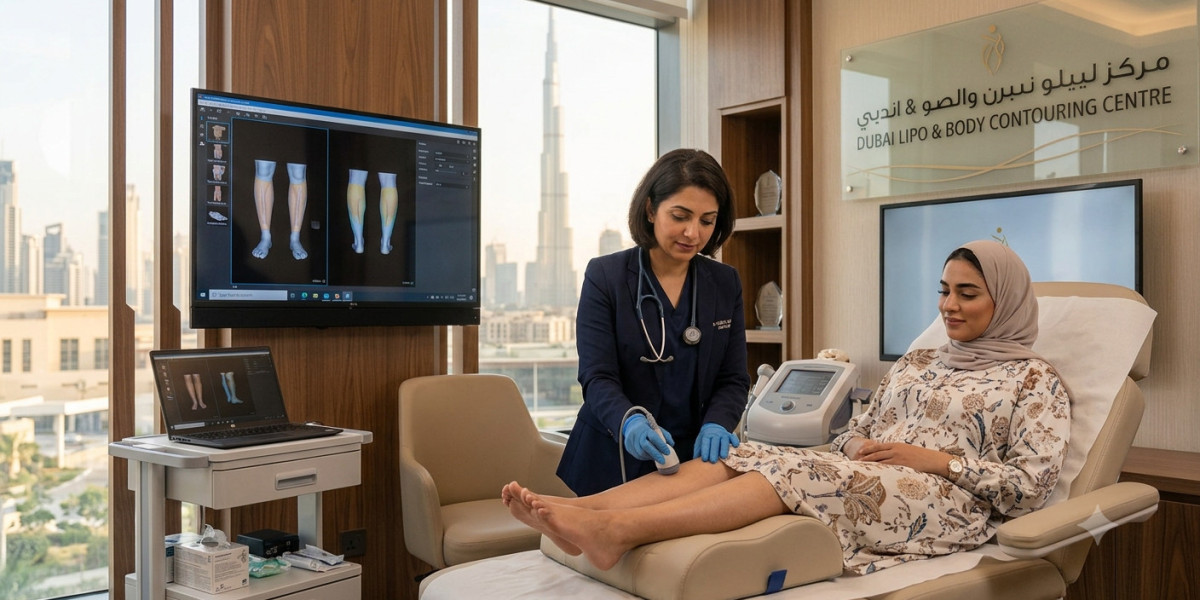
At The Lipo Lab, every patient begins with a comprehensive assessment rather than a one-size-fits-all treatment plan.
Your evaluation may include:
Detailed medical history
Physical examination
Assessment of circulation
Review of lifestyle factors
Venous ultrasound when indicated
Evaluation of lymphatic function
Assessment for lipedema if symptoms suggest the condition
Understanding the underlying cause allows us to recommend the most appropriate treatment strategy.
Heavy Legs Treatment in Dubai
Treatment depends entirely on the diagnosis.
Rather than simply masking symptoms, the goal is to improve circulation, reduce swelling, and address the underlying condition.
Compression Therapy
Medical-grade compression garments help improve blood flow and reduce fluid accumulation in many vascular and lymphatic disorders.
Lifestyle Changes
Simple daily habits often complement medical treatment, including:
Walking regularly
Elevating the legs after prolonged standing
Maintaining a healthy body weight
Staying hydrated
Avoiding sitting or standing in one position for extended periods
These adjustments can make a noticeable difference in symptom management.
Manual Lymphatic Drainage
Patients with lymphatic disorders may benefit from specialized massage techniques designed to encourage healthy lymphatic drainage and reduce swelling.
Treatment for Venous Conditions
When heavy legs are caused by vein disease, minimally invasive procedures may improve circulation and relieve symptoms while allowing patients to return to daily activities relatively quickly.
Lipedema Care
Patients diagnosed with lipedema often require a personalized treatment plan that may include conservative therapies, compression, lifestyle guidance, and specialized procedures when appropriate.
Because lipedema differs from ordinary fat accumulation, expert evaluation is essential.
Why Choosing the Right Specialist Matters
Heavy legs may appear to be a simple complaint, but they can result from complex vascular or lymphatic conditions.
Choosing an experienced specialist means receiving a thorough evaluation instead of temporary symptom relief.
At The Lipo Lab, we focus on identifying the true cause of your discomfort before recommending treatment.
Our patient-centered approach combines careful diagnosis, evidence-based care, and personalized treatment planning to help restore comfort, mobility, and confidence.
Tips to Reduce Heavy Legs
While professional treatment is often necessary for persistent symptoms, healthy daily habits can support better circulation.
You can help reduce leg heaviness by:
Staying physically active
Taking short walking breaks during long periods of sitting
Elevating your legs when resting
Wearing compression garments if recommended
Maintaining a healthy weight
Drinking enough water
Following your treatment plan consistently
These habits work best when combined with an accurate diagnosis and appropriate medical care.
Conclusion
Living with heavy legs can gradually affect your mobility, productivity, and quality of life—but it doesn't have to become your normal.
If you're searching for Heavy Legs Treatment in Dubai, the first step is identifying the true cause of your symptoms. Whether the problem is related to venous insufficiency, lymphedema, lipedema, or another circulatory condition, early diagnosis can make a meaningful difference.
At The Lipo Lab, we combine advanced diagnostics, personalized treatment plans, and compassionate care to help patients move more comfortably and confidently. Our goal is not only to relieve symptoms but also to address the underlying condition so you can enjoy healthier, lighter-feeling legs for years to come.
Frequently Asked Questions
Are heavy legs always caused by poor circulation?
No. Heavy legs may result from venous disease, lymphedema, lipedema, prolonged standing, pregnancy, or other medical conditions. A professional evaluation helps determine the underlying cause.
Can heavy legs be treated without surgery?
Yes. Many patients improve with compression therapy, lifestyle changes, manual lymphatic drainage, or minimally invasive treatments, depending on the diagnosis.
Is heaviness different from swelling?
Yes. Although they often occur together, heaviness refers to the sensation of weight or fatigue, while swelling involves excess fluid accumulating in the tissues.
Can lipedema cause heavy legs?
Absolutely. Heavy, painful legs are among the most common symptoms reported by individuals with lipedema, along with tenderness, easy bruising, and disproportionate fat accumulation.
When should I seek treatment?
If your legs frequently feel heavy, swollen, painful, or the symptoms interfere with daily activities, it's advisable to consult a specialist for a comprehensive assessment.